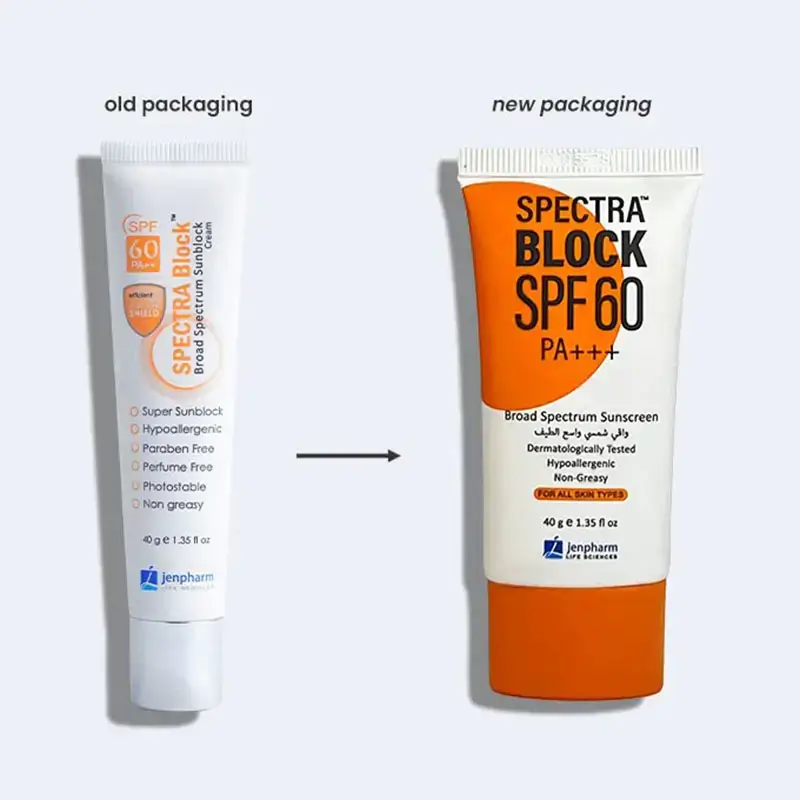

Pakistan has a lot of sunshine, and most of us are getting more UV than we think. It arrives on cloudy days, through car windows, on a ten-minute walk to the market. The best thing you can do for your skin is to use sunscreen daily, but choosing one can seem oddly complicated.
Let’s make it simple.
Sunscreen or sun block?
The two words are used interchangeably and in everyday shopping, for the most part, they do mean the same thing. Technically, “sunscreen” often refers to chemical filters that absorb UV, and “sunblock” refers to mineral filters like zinc oxide or titanium dioxide that sit on the skin and reflect it. Many modern products do both. Just check that it says broad spectrum on the label, which means it protects against both UVA and UVB.
Price of SPF 60 Sunscreen In Pakistan
If you search for SPF 60 sunblock price in Pakistan, you will find that prices vary quite a bit. A few things that explain it.
Mineral formulas that are good for sensitive skin tend to cost more. Lightweight textures with no white cast usually have more advanced filters and those are also more expensive. Imported brands have duties and currency costs. Size of the packaging is also important, 30 grams tube is not the same value as 100 grams tube.
The way to do a fair comparison is on a cost-per-day basis. You will need about half a teaspoon in total for your face and neck. Then see how long a tube lasts at this rate and compare on that basis.
Best price of Sunscreen in Pakistan
Best sunscreen price in Pakistan sounds like a hunt for the cheapest option but the best price is where cost, comfort and protection meet. If you like a sunscreen and it’s priced well, you’ll use it daily.” A bargain that feels greasy ends up in a drawer.
A cheaper sunblock can do just fine. Look for the SPF and PA rating on the pack, a clear manufacturer name and a batch number with an expiry date. Watch out for blurry labels or prices that are much lower than similar products.
Choosing for your skin type
Oily or Acne prone skin. : Pick gel or fluid formulas that say non-comedogenic on them. Heavy creams can feel stifling in humid weather.
Dry skin: Creams with hyaluronic acid or ceramides can double as a moisturizer.
Sensitive Skin: Mineral filters are generally kinder. Test patch first
Darker skin tones: Pigmentation is a common worry, so high SPF and strong UVA protection are important. Or if mineral formulas lend a gray aspect, use a tinted version or a modern chemical formula.
Using it properly
It’s not the formula, it’s how you use it. That’s why most sunscreen fails. Use a quarter teaspoon for your face and more for neck and ears. Use it as the last step in your morning routine, about 15 minutes before you go out. If you’re outside, reapply every two hours and after you sweat. Sitting indoors by a window? You still need it.
Don’t forget your hands, The back of your neck And your lips. These areas are skipped and show early sun damage.
Does SPF 60 even count?
SPF 30 blocks about 97% of UVB rays. SPF 50 blocks about 98 percent, SPF 60 a bit more. The step up is small, but it can help if you have melasma, dark spots or spend a lot of time outdoors. The amount you put on and the frequency of reapplication are important, not the number on the tube
Include it in your routine
A simple morning routine does the trick: cleanser, moisturizer if you need one, then sunscreen. If you use brightening products or active ingredients at nite, sunscreen is even more important as these can make your skin more sensitive to the sun.
Where Asraderm fits in
To better sun care, our pages at Asraderm tell you the SPF, PA rating, filter type and pack size so you can compare properly and not guess. If you need help selecting a formula for your skin type, our team is ready to assist.
The best sunscreen is the one you’ll put on every morning. Choose a texture you like, read the label and make it automatic, like brushing your teeth.